Last verified with Shenzhen Government source:
Shekou eats differently from the rest of Shenzhen, and the reason is entirely historical. The industrial zone opened at the end of the 1970s, foreign staff arrived with it, the international schools followed the families, and within a couple of square kilometres you now get a concentration of European, American, Thai and Mexican kitchens you will not find anywhere else in the city. The honest other half of that sentence: you pay a premium for it, and some of what you are paying for is mediocre.
Why the food here is not like the rest of the city
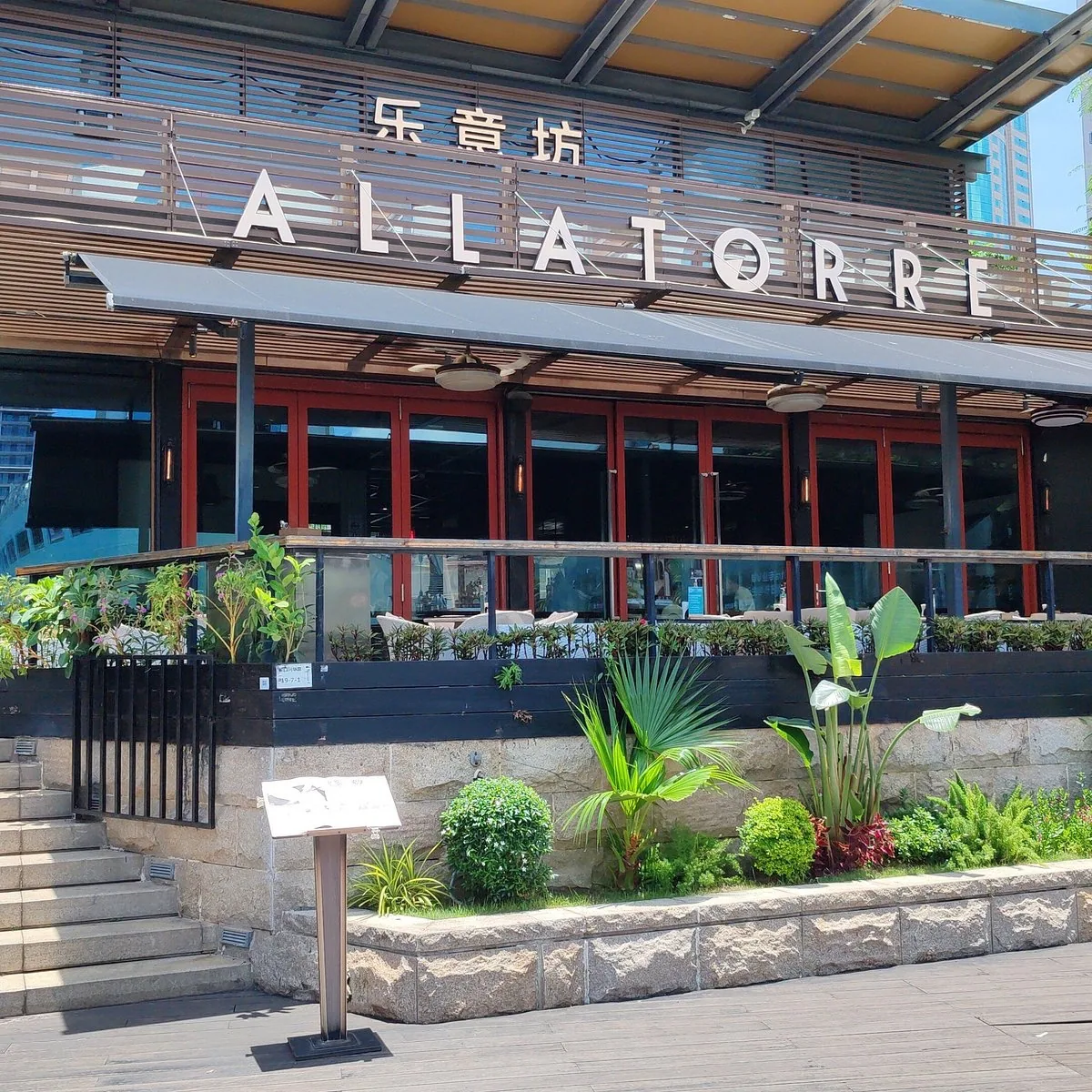
Most Shenzhen neighbourhoods support one or two foreign restaurants because a mall wanted variety on the fifth floor. Shekou supports a genuine cluster of them, because there is a resident audience — school families, ship crews, consultants on two-year postings, Hong Kong weekenders coming off the ferry, and a long tail of people who arrived a decade ago and never got round to leaving. That audience is big enough to keep a German brewpub, an Italian pizzeria and a Mexican bar all in business inside the same square, which is not true anywhere else in Shenzhen.
The same captive audience is why some of it coasts. Rents on the plaza are high and get passed straight into the bill, and a kitchen with a guaranteed Friday does not have to try very hard on a Tuesday. My working rule after eight years of eating here: on this strip, longevity is the best signal you have. A place that has survived a decade on Sea World rents has earned it. A place that opened four months ago in a corner unit is a coin toss, and I would let somebody else go first.
The geography of it
Almost everything people mean by "eating in Shekou" happens in three places, and they are a short walk apart.
Sea World (海上世界) is the pedestrian square built around the beached Minghua, and it is the centre of gravity. Restaurants and bars ring the plaza at ground level with terraces stacked above them, so you can eat on one floor, drink on another and never cross a road. It is also the single most crowded spot in the neighbourhood at weekends, with fountain shows drawing a wall of people at set times in the evening. Two minutes toward the water, the Sea World Culture and Arts Centre holds the one genuinely serious fine-dining room on the peninsula, which is worth knowing if you assumed the whole area topped out at pizza.
Coastal Rose Garden (海滨玫瑰园) is the low-rise residential estate immediately east of the plaza. Its ground-floor units have been let to cafés, small restaurants and neighbourhood bars for years, and this is where a fair number of residents actually eat — quieter, slower service in the good sense, and noticeably cheaper than the square. If the plaza feels like a departure lounge on a Saturday, walk five minutes east.
The waterfront is the newest layer: the promenade toward Taiziwan and the cruise homeport, and the newer developments along it, K11 ECOAST among them. Sea-facing terraces and a lot of glass. Some of it is very good and some of it is still half-let, so check the specific restaurant is open before you build an evening round it rather than trusting the mall's own map.
What an evening actually looks like
A normal Friday on the plaza runs roughly like this. People start on a terrace at six with a beer while it is still light. Dinner is somewhere between seven and half past eight, and if you have not booked by then you are queueing. From about ten the live music starts — The Terrace and Tequila Coyote's both put a band on regularly — and the square shifts from families to a drinking crowd. The pubs and the late bars run on well past midnight.
The thing that makes it work is that the whole scene fits in one square. Bar-hopping in Shekou means walking forty metres, which is why people who live here rarely bother going into town for a night out. When the plaza gets too loud for whatever conversation you were having, the move is to head for the water and sit at Commune Museum instead — same evening, half the volume.
One gap worth naming: dedicated craft-beer taprooms on the peninsula are thin. Paulaner brews its own and does it well; beyond that, check a current Dianping or WeChat listing before crossing town. Bionic Brew’s Nantou taproom, still recommended by older guides, closed on 24 December 2025 when its lease ended.
Where the good Chinese food is
Visitors miss this almost completely, and it is the single most common mistake I see. Shekou is not only Western food. Step off the plaza into the older blocks and you find Cantonese restaurants that have been feeding the same families for twenty years, Chaoshan beef hotpot where the staff will tell you how many seconds each cut wants in the broth, and roast-meat shops that will do you a plate of char siu and rice for the price of a plaza coffee.
Near the working port there is also seafood sold the honest way — you pick from the tanks, they weigh it, they cook it. Two rules: agree the price per catty before anything goes in the pot, and take a photo of the scale if the total looks wrong. It is not a scam so much as a system that rewards attention.
The problem is discovery. The English-language map apps point at the wrong branch more often than they point at the right one, and none of these places market themselves in English. Use Dianping, sort by rating rather than distance, and look at the photographs rather than the write-ups. If you want the citywide version of this, my Cantonese and dim sum guide covers the rooms worth crossing the city for.
Turnover on the plaza is high. A recommendation more than about two years old is unreliable — check the place still exists on Dianping or its WeChat account before you cross town for it. Half the "best of Shekou" lists floating around online are quietly out of date.
Brunch, families and the terrace season
Weekend brunch in Shekou is a genuine institution rather than a marketing exercise, and the reason is the schools. Saturday morning here is eggs, coffee, prams and somebody's football kit on the next chair. Dear Blue is the standard everything else is measured against, Emily's is the unfussy weekday answer, and Gaga is where you end up when nobody can decide. All three fill from around eleven at the weekend; a weekday morning gets you the same kitchen and an empty room. The wider city version is on my brunch and coffee guide.
Then there is the terrace point, which matters more here than anywhere else in Shenzhen because so much of the seating is outdoors. From roughly late October to April, the evenings are dry, in the low twenties, and you can eat outside more or less every night — this is the best time to be in Shekou and it is not close. From May the humidity arrives, then the typhoon season, and by July the terraces are theoretical after about ten in the morning. If you are planning a visit around eating outdoors, come in November.
Prices, and getting there and home
Rough per-person estimates, with a drink, and they move:
- Coffee and something to eat with it: around ¥40–70.
- Weekend brunch: expect ¥80–150.
- Pizza, pasta or a Thai dinner on the plaza: around ¥100–200.
- A full Italian dinner, a brewpub evening or anything with a second bottle: ¥200–350.
- Fine dining at the Arts Centre: ¥700–1,100, and worth booking well ahead.
- A pint on the plaza: broadly ¥45–70, more on the terraces with the view.
Getting there is easy. Line 2 runs the spine of the peninsula — Sea World station drops you at the plaza, and Shuiwan and Dongjiaotou are the ones for Coastal Rose Garden and the Vanke side. Line 12 covers Taiziwan and the newer waterfront. Metro routes and operating hours are set by the city and do change, so confirm anything time-critical against the official source at sz.gov.cn or the station signage rather than this page. If the system is still new to you, start with the Shenzhen metro guide.
Getting home is the part people get wrong. Last trains go somewhere around eleven, and the exact time varies by line, station and direction, so check your own route on the day rather than trusting a number a friend gave you. After that it is DiDi, and DiDi pickup at Sea World on a Friday night is genuinely awkward: cars cannot reach the square, drivers cancel, and the pin dropped on your restaurant is useless. Walk out to the main road on the northern side of the plaza, set the pin where you are actually standing, and have the destination saved in Chinese. That one habit saves twenty minutes of standing in a crowd watching your driver circle.
For the neighbourhood itself — rent, schools, the ferry, what it is like to live here rather than eat here — the full Shekou area guide covers it, and the tasting-menu end of the city is in my fine dining guide.
Work with me