Schematic orientation · six subdistrict starting points
Schematic overview · coloured areas are browsing anchors, not official boundaries. Selected stations and simplified rail corridors only; use the official network and a navigation app for an exact journey.
A planning sketch, not a navigation map. Areas and rail corridors are simplified; choose a station and check the final entrance.
Chinese name光明区Guāngmíng Qū
LocationNorthwest Shenzhen
Six subdistrictsDifferent daily routines
Metro lines6 / 6 Branch / 13
Best forScience, campuses and greenways
Trade-offThe last connection matters
Is Guangming right for you?
Choose what matters and compare three starting points.
Guangming areas at a glance
Six subdistricts, with distinct local routines. Use the exact address to choose your base.
Guangming光明街道
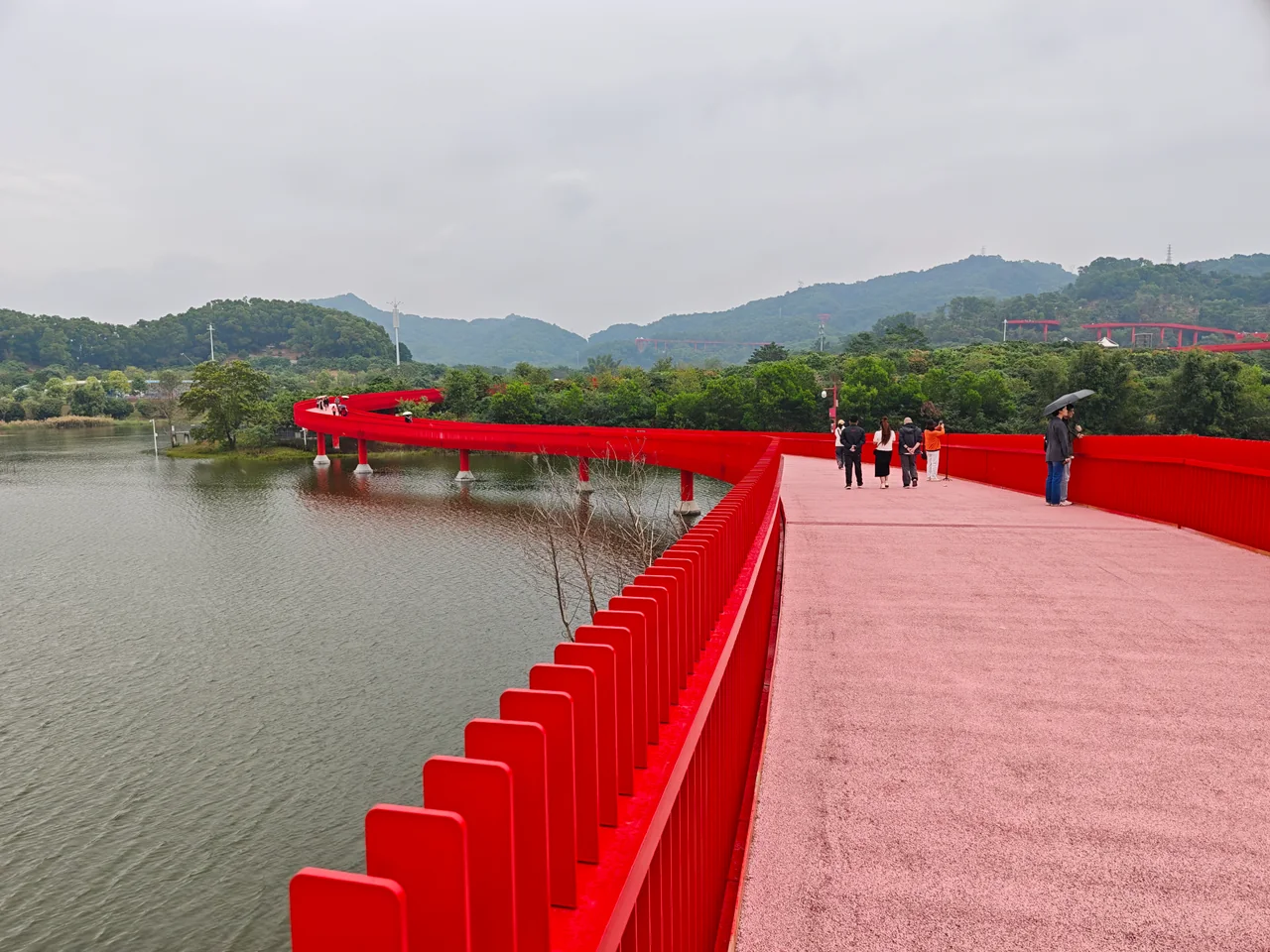
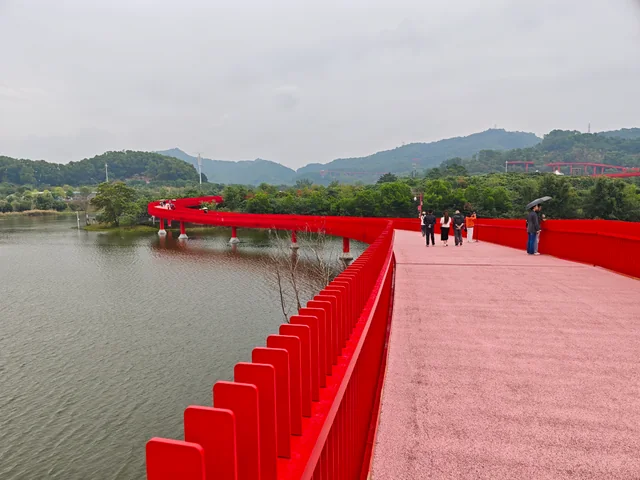
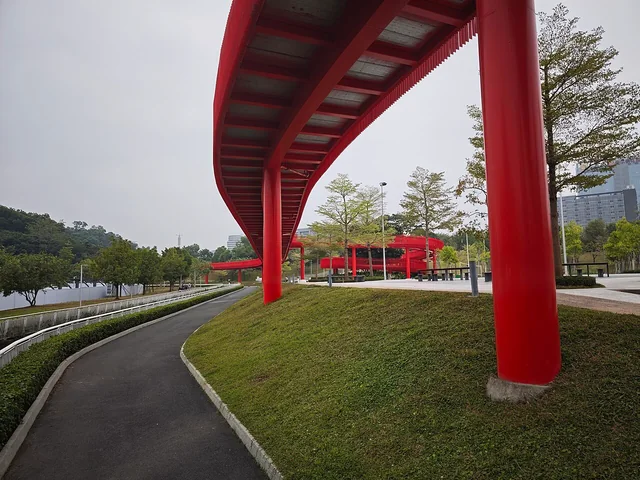
The old-farm and park side of the district, with Hongqiao, Biyan and neighbourhood streets to explore.
Hongqiao and greenway outings
Biyan neighbourhood context
Day-to-day life beyond the big venues
Metro starting points Biyan / Hongqiao Park · Line 6 Branch; Guangming Street · Line 6
Start with the Chinese address of your destination. For a home visit, walk the route to the station, shops and your nearest everyday services; for a park visit, choose the entrance before choosing the train. Guangming District and Guangming Subdistrict are different scales of place.
Check this trade-off: Park entrances and homes can be far apart; check the actual gate and address.
Biyan / Hongqiao Park · Line 6 Branch; Guangming Street · Line 6
Use Gongming Square as a first orientation point, then compare the exact street or workplace. The old market offers a different atmosphere from the newer station areas. A convenient interchange does not remove the final walk, bus ride or factory-gate transfer.
Check this trade-off: The busy centre and northern industrial destinations need separate route checks.
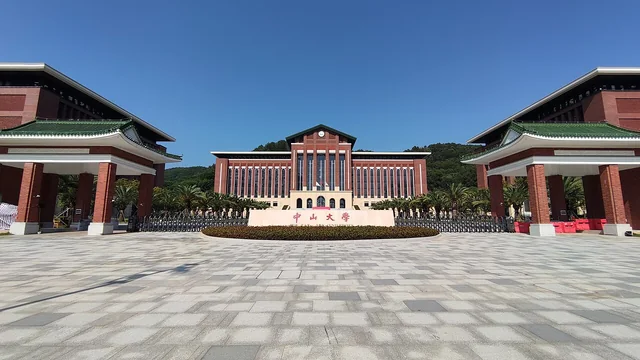
Prioritise the correct campus, research building or industrial-park gate before shortlisting housing. Walk or test the last connection rather than treating a campus station as the final destination. University visits and work sites can have their own access arrangements.
Check this trade-off: A campus or lab name is not enough: ask for the building and permitted entrance.
Zhenmei / Sun Yat-sen University / SUAT · Line 6 Branch; Science Park · Line 6
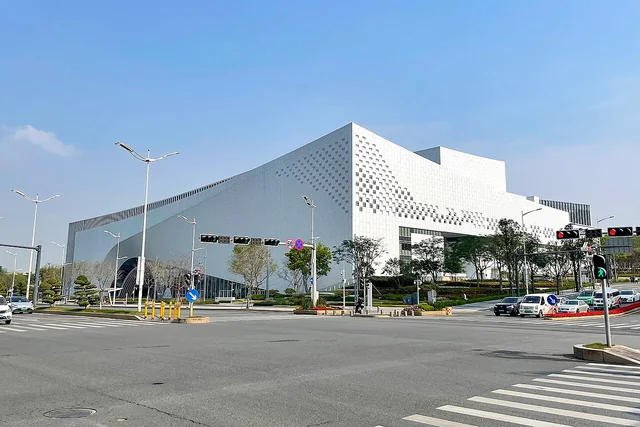
This is a practical place to compare rail-linked routines, but use the station name carefully. Guangmingcheng has metro and national-rail facilities with different ticketing and boarding procedures. The Culture and Arts Center is by Fenghuangcheng, also called Fenghuang Town in English.
Check this trade-off: Guangmingcheng rail hub and Fenghuangcheng Metro are different locations.
For work, obtain the company’s actual gate rather than only its registered address. For housing, compare street noise, pavement continuity, evening activity and the route home after a late shift. These checks matter more than a broad claim that an entire subdistrict is convenient.
Check this trade-off: A nearby industrial address may still require a bus or a substantial walk.
Changzhen · Line 6; check onward access to Tianliao / Yulü
Compare the exact community against your workplace and regular destinations. Keep the name and Chinese address of each property in your notes, and test the local shops and route to the chosen station. A new metro connection is useful context, not a guarantee about a particular home.
Check this trade-off: Conditions vary by compound and road; visit both the building and station route.
Heshuikou / Shutianpu · Line 6; Xinzhuang / Jiangwei · Line 13
A district known for research and manufacturing still requires an exact employer, role and workplace address. Confirm job terms and work-permit support with the employer.
Check school eligibility and the actual campus before choosing housing. The published 2026 admission guidance is a dated reference, not a promise of a place or next year’s policy.
Map the nearest routine clinic and hospital against your home and insurance. A nearby hospital does not establish language service or coverage.
The six cards use official subdistrict names. Suggested starting points and fit notes are editorial; they do not draw legal boundaries or rank the areas.
Reviewed 30 October 2026. Venue access, admission policies and services can change; follow the current official notice for your visit.
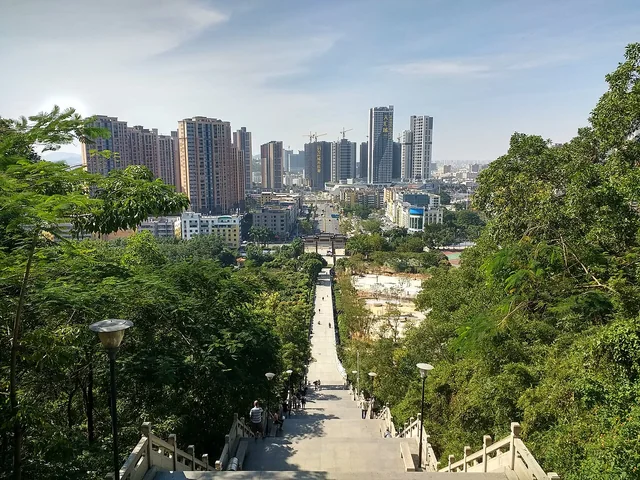
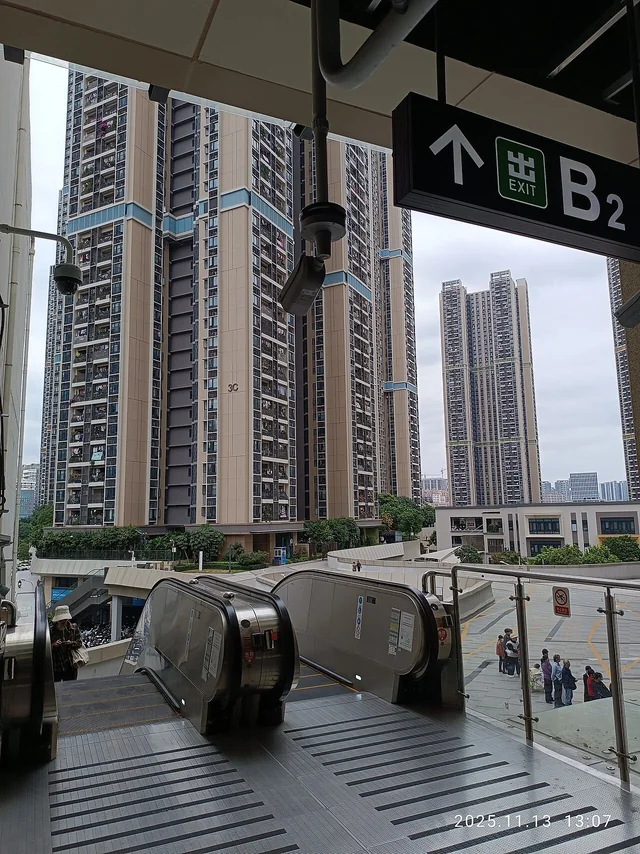
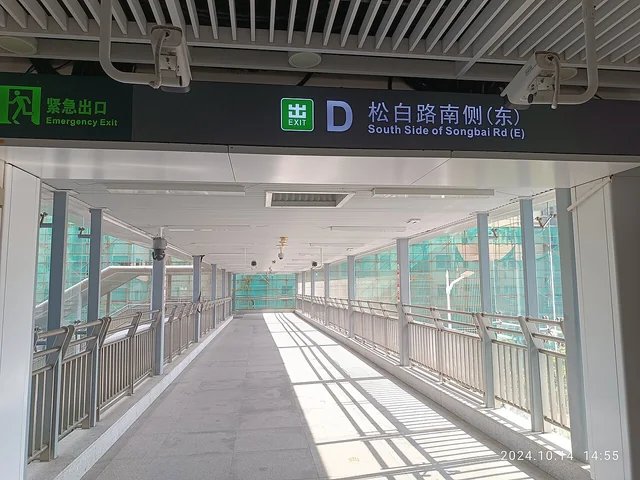
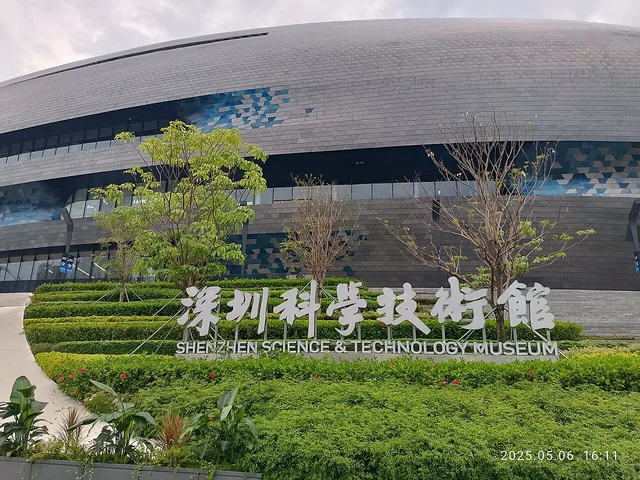
The map is an original schematic with approximate orientation points, not surveyed subdistrict boundaries or a complete rail network. Photographs are real, dated views, proportionally resized and cropped for display; their individual licences remain in force.