Climate and warning sources checked:
Want the short answer? For a first trip built around walking, parks and neighbourhoods, November through April is the comfortable choice. Want beaches and long bright evenings? Warmer months work too—if you can accept heat, humidity and the occasional feeling that the atmosphere has become soup.
The short answer, for people with flights to book
Shenzhen’s municipal travel guide recommends November through April and describes temperatures in that period at roughly 15–20°C. That is a broad planning range, not a daily forecast. The city’s climate profile gives an annual average around 23°C and identifies a subtropical monsoon climate with abundant rain.
These months make city walks, parks, district-hopping and outdoor meals easier. They are not a six-month weather warranty. A damp January day can feel colder indoors than the number suggests because many homes and ordinary buildings do not use central heating. Fifteen degrees can develop quite an attitude.
November to February: walk without negotiating with your shirt
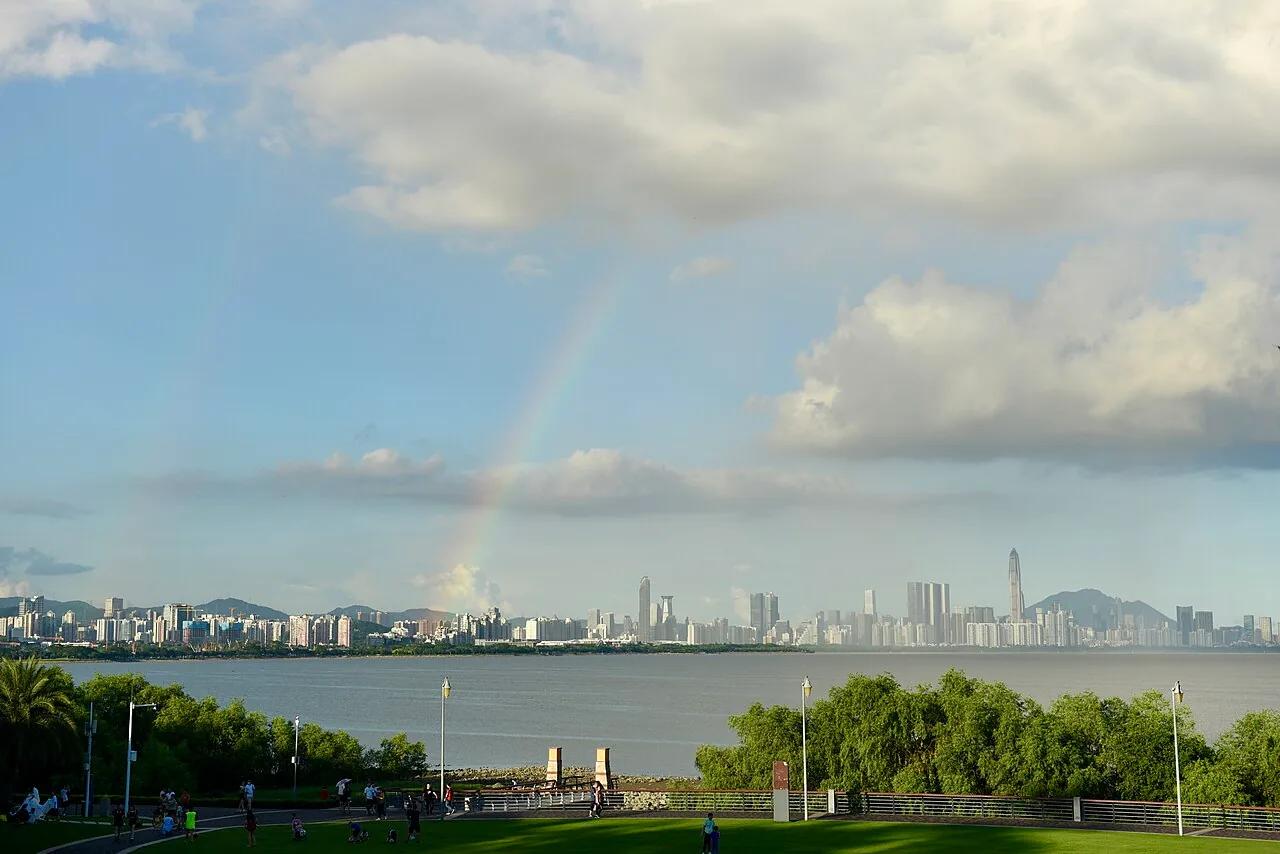
This is the easiest window for a first urban trip. Use clear days for Lianhua Hill, Shenzhen Bay, Nantou, Shekou and longer neighbourhood walks. Evenings can need a light layer, and a cold front can make the city briefly chilly. Bring something that handles wind and damp rather than a heavy winter wardrobe.
Public-holiday travel can overwhelm the weather advantage. Check the current Chinese holiday calendar before booking transport or a border crossing; the dates shift each year, and “make-up” working weekends can change local rhythms.
March and April: warmer, greener, mildly indecisive
Spring warms quickly and humidity rises. Some days are excellent for the same outdoor route as winter; others are grey, damp or suddenly wet. Pack a compact umbrella and shoes that tolerate rain. Do not build a military operation around one outdoor sunset; the clouds have not read your spreadsheet.
This is a good compromise for visitors who dislike both cool spells and summer heat. Check the live forecast, because a seasonal label will not tell you which version of spring has arrived that week.
May to October: summer has entered the chat
The municipal guide describes May through October as the long summer and identifies July as normally the hottest month. Plan outdoor time early, late or beside the water. Keep midday for lunch, galleries, malls or a hotel reset. The city still works perfectly well; the itinerary simply needs air conditioning and realistic ambitions.
Rain often arrives in intense bursts rather than as an all-day drizzle. That makes a flexible list valuable: one outdoor plan, one nearby indoor alternative, and enough time that a downpour does not destroy the day. Beaches are tempting, but heat, crowds, water conditions and weather warnings all need a day-of check.
| Your trip | Best starting window | What to watch |
|---|---|---|
| City walks and parks | November–April | Cold fronts, damp days, holiday crowds |
| Beach-focused visit | Warm months, chosen by live forecast | Heat, rain, water and typhoon warnings |
| Family sightseeing | November–April or flexible spring dates | Midday heat and indoor backup |
| Business trip | Any month | Indoor air conditioning, storm disruption, holiday calendar |
| Photography and clear views | Dry, clear day rather than a fixed month | Humidity and haze after weather changes |
Typhoon and rainstorm signals are not decorative
Do not treat “typhoon season” as a prediction that a particular trip will meet a storm, or that another month is guaranteed safe. Watch the Shenzhen Meteorological Bureau’s live English warnings. Warning colours and signal types carry specific meanings and defensive guidance; the current notice outranks a climate summary.
A white typhoon signal activates typhoon-attention status because a cyclone is expected to affect—or has affected—the city within 48 hours; follow the current readiness notice. Higher signals indicate increasing threat and trigger stronger precautions. Rainstorm warnings are a separate system. Read the actual signal and follow the current official instruction, transport notice and venue closure.
The climate tells you what usually belongs in the suitcase. The live forecast and warning page tell you what to do today. Never swap one for the other.
What to pack
- Breathable layers and shoes that can handle long, wet pavements.
- A compact umbrella or light rain shell; buy a heavier one locally if needed.
- Sun protection and a refillable water bottle for outdoor months.
- A light layer for strong indoor air conditioning in summer.
- A warmer, damp-tolerant layer for winter cold fronts.
- A flexible indoor alternative saved for every outdoor day.
Choose the dates; stay emotionally available to Plan B
Book the season that suits the main goal, avoid major holiday peaks where possible, and leave enough flexibility to exchange Saturday and Sunday. For ideas that can be filtered by mood and weather fit, use the things-to-do dashboard. For a ready-made route, see 48 hours without a car.
Live and official weather sources
Climate is not a forecast. Check the live municipal warning and forecast immediately before outdoor plans.