Homes & neighbourhoods
Choose your Shenzhen neighbourhood by the journeys you will repeat
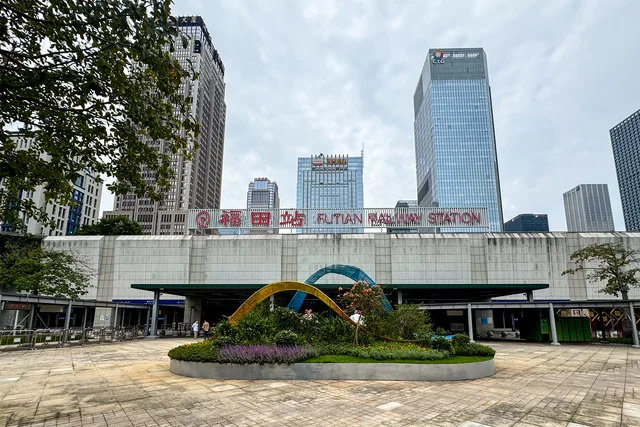
A station name is only the beginning. Test the building entrance, the transfer, the school run and the journey home before choosing a base.
THE USEFUL PART
What to take away
- Compare exact home, work and school addresses rather than district labels.
- Time the whole journey, including station access, transfers and the final walk.
- Test a normal weekday and a realistic backup route before signing a lease.
Start with the least flexible destination
Your office, laboratory, factory or child’s school may be harder to change than your home. Put that exact destination on the map first. If a job offer names only Shenzhen, ask which building and entrance you will normally use. If you will work at several sites, note how often each journey occurs. A home that suits the main office may perform differently on a regular client-site day.
For a family, map both adults’ journeys and the school run together. Add the person who actually does collection, rather than assuming everyone can leave work whenever needed. The aim is to find a manageable weekly arrangement, not to give one person a very short commute while an unexamined second journey becomes difficult.
Shortlist a few different bases
Choose two or three areas with a plausible connection to those anchors. Read the area guides for context, then move to specific buildings and streets. A large district can contain office clusters, established residential communities and places that feel quite different from one another. The neighbourhood’s name does not describe every block inside it.
Use the official Metro journey information to check the stations and services relevant to your shortlist. Keep the current network map available, but do not select a home on a proposed route or a future opening that you have not independently verified. A promised connection can be a bonus later; it cannot carry your first month’s commute now.
Measure from one real door to the other
Start the stopwatch when you leave the apartment building. Include the compound gate, road crossings, station entrance, security queue, platform wait, transfers and the walk from the destination station. Stop at the workplace or school entrance you actually need. Repeat in the other direction. The return route may use a different exit or feel less convenient after dark.
Record what makes the journey tiring as well as how long it takes. One awkward crossing, an uncovered final walk or a crowded transfer may matter more to you than a small difference in scheduled train time. If you use a stroller, carry equipment or have mobility needs, test the lifts and step-free access on the actual route instead of assuming every entrance works equally well.
Compare the week, not one impressive trip
Use your own measured times to estimate repeated travel. In a purely illustrative example, saving 20 minutes each way over five commuting days returns 200 minutes a week. That is more than three hours available for cooking, exercise or rest. It may be worth paying more for a suitable home, but the decision depends on your budget and what those hours mean to you.
Keep working patterns honest. A hybrid role with two office days changes the calculation; a job with frequent early starts changes it again. For a school bus, ask about the exact pickup point, timetable, current availability and the conditions for using the service. A convenient route mentioned by another family is a lead to investigate, rather than a confirmed place for your child.
Try the less convenient version of the day
Test at the time you would normally travel, with the bag you expect to carry. Where practical, try a wet-weather alternative and an evening return. Use the weather bureau’s current warnings when planning any test; the purpose is to learn the route, not to travel during unsafe conditions. Allow your routine to change when official advice calls for it.
Write down one backup option for a missed connection, an unexpected late finish or a school collection problem. Check where a taxi or booked car could actually pick you up and how that changes the monthly budget. A fallback that exists only as ‘we will get a car somehow’ is less useful than a known pickup point and a contact who understands the situation.
Walk the streets you will use after work
Finish each viewing with a small practical circuit: groceries, a simple meal, a place to exercise and the way home. Check the actual opening hours for the places you expect to use. Look at pedestrian access and deliveries around your building. The neighbourhood should support a normal evening as well as the daily journey out of it.
Keep a short comparison sheet for each home: total housing cost, measured weekday travel, school arrangements where relevant, essential services and one unresolved concern. Make the choice from those records. A skyline view can remain part of the decision, alongside a route and a weekly rhythm you have already tested.
Sources & useful next steps
Source check: 1 Nov 2026.
- Shenzhen Metro — official journey information — Shenzhen Metro Group
- Shenzhen weather forecasts and warnings — Meteorological Bureau of Shenzhen Municipality
KEEP READING
Your next useful read

Is Shenzhen right for you? Test the life before making the move
A practical way to weigh the job, the neighbourhood, the budget and the ordinary weekday behind the skyline.
Read article
Budget for your first 90 days in Shenzhen, not just the rent
Separate monthly spending, arrival costs, deposits and reserves so a promising move works in cash as well as on paper.
Read article
Your first week in Shenzhen: connect your phone, payments and address
Set up the essentials in a useful order, while keeping accommodation registration, banking and immigration documents separate.
Read article